
How Linking Stackable Chairs Improves Safety and Layout in NZ Venues
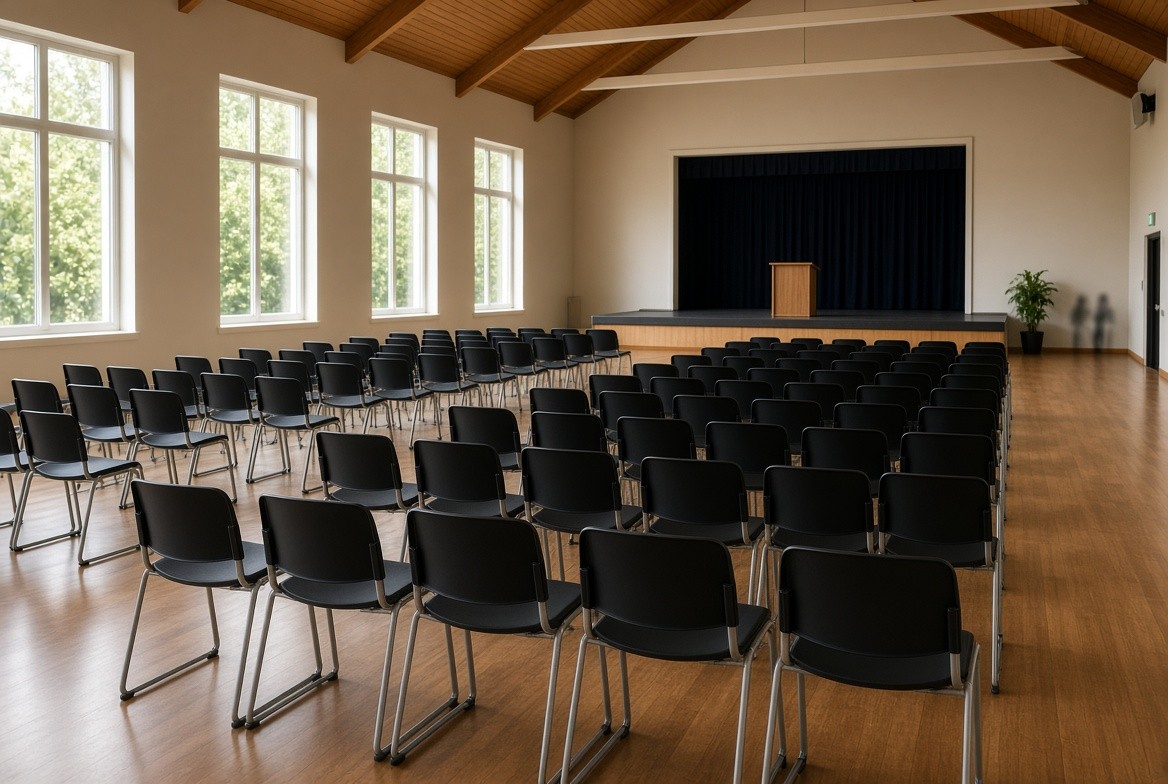
If you manage a school hall, church, conference centre or training room in New Zealand, you already know stacking chairs save space. What often gets overlooked is the small feature that decides whether those chairs stay in neat, safe rows once they’re on the floor: linking.
Linking stackable chairs (also called ganging) joins each chair to the one beside it. In busy NZ venues that set up and pack down several times a week, that connection is the difference between tidy aisles and a row that drifts, gaps and becomes a trip risk. This guide looks at how linking works, why it matters for safety and layout, and what to specify when you’re buying commercial chairs. Linking is one spec only — the stackable chairs NZ buying guide covers types, uses and the rest of the checklist.
What Does Linking Mean on a Stackable Chair?
Linking is a built-in or clip-on connector that locks two chairs side by side. On commercial models it is usually a linking foot, hook or clip on the frame or glide. Staff lift or slide one chair against the next until the connectors engage. No tools. No extra parts to lose in the storeroom.
The chairs still stack. Good linking systems sit out of the way so they don’t scrape seats or stop a trolley load from nesting properly. That is why linking is a commercial feature, not something you add later with cable ties or spare hardware.
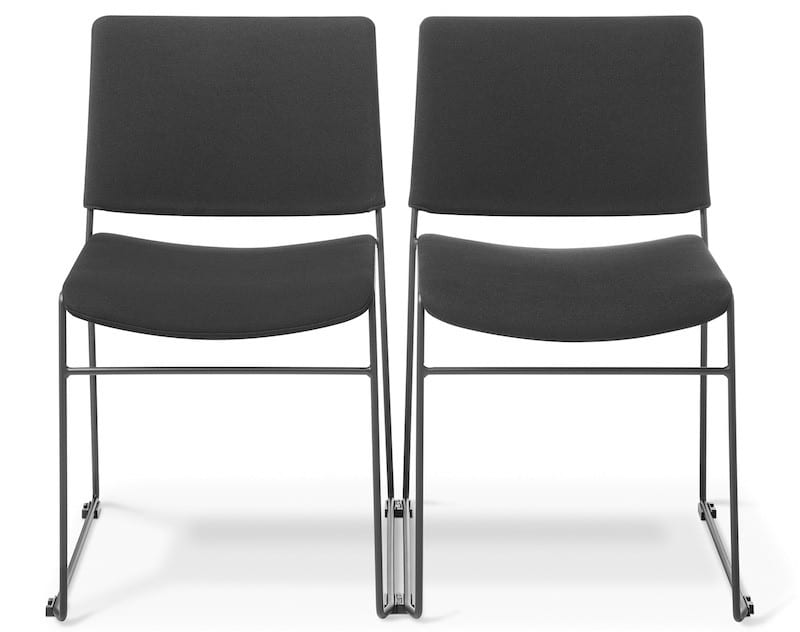
At Capital Commercial Furniture, several stackable chairs are designed with this in mind. The Zip Chair uses linking feet that connect without extra clips. Ranges such as the Game Skid Black Stacking Chair and Strong Squad Senior Chair are built for the same high-use environments where rows need to stay put.
Why Unlinked Rows Cause Problems
Unlinked chairs look fine when the first person sits down. They look different after a two-hour service, an exam, or a conference keynote.
Common issues in NZ venues:
- Rows creep forward or sideways as people shift, stand and sit
- Uneven gaps appear, so aisles no longer line up with fire exits
- A chair at the end of a row can tip if someone leans on the back
- Layouts look messy in photos and on open days
- Staff spend extra time straightening chairs between sessions
In halls and churches this is more than appearance. Public seating needs predictable aisles. If a row can be pushed out of line, people squeeze through the wrong gap and the next setup starts from a crooked baseline.
How Linking Improves Safety
The safety case is simple: connected chairs behave as a row, not as a pile of loose seats.
1. Rows stay together if someone stands or leans
When chairs are linked, weight on one seat is shared along the row. That reduces the chance of a single chair sliding or tipping at the end of a line — a common problem in school assemblies and community meetings.
2. Aisles stay where you planned them
Linked rows hold their width. That keeps escape paths clear and stops chairs from drifting into walkways during a long event. For venues that host exams, prizegivings or services, this is the practical side of health and safety, not a nice-to-have.
3. Less last-minute “fixing” by staff
Unlinked layouts need constant tidying. Linked layouts stay usable. That matters when you have a short changeover between a morning training session and an afternoon function.
Linking is not a substitute for the right chair. Residential-grade seats still fail under commercial loads. That is one of the points covered in our guide to costly mistakes when buying stacking chairs in NZ. Linking works best on frames already built for venue use.
How Linking Improves Layout and Capacity
Safety is the headline. Layout is what venue managers notice every week.
Linked chairs give you:
- Straight rows that match the hall markings or tape lines
- Even seat spacing, so you can count capacity without guessing
- Clean sightlines toward a stage, lectern or screen
- Faster setup, because each chair clicks to the last one instead of being “eyed in”
- A more professional look for weddings, conferences and open days
This is the same reason linking shows up as a must-check item in a proper commercial spec. It is a small detail on the chair, but it decides whether a 200-seat layout still looks like a 200-seat layout at the end of the night.
Where Linking Matters Most in New Zealand
Not every space needs linked rows. A café terrace or staff lunchroom can run loose chairs. Linking becomes important when people sit in rows facing the same way.
Typical NZ uses:
- School halls and gyms — assemblies, exams, prizegivings, productions
- Churches and community halls — services, funerals, concerts, meetings
- Marae and clubrooms — gatherings where rows need to stay tidy and respectful
- Conference and training rooms — seminars, induction days, council workshops
- Function centres — banquet overflow seating and theatre-style setups
If the room changes layout often, linking and storage have to work together. Chairs still need to unlink quickly before they go back on a trolley.
What to Look For When You Specify Linking
When you compare stackable chairs, check these points rather than assuming “stackable” includes “linkable.”
Integrated vs add-on connectors
Integrated feet or hooks are faster and harder to lose. Separate clips work, but they disappear into the bottom of a trolley.
Does it still stack cleanly?
Linking should not stop a high stack or scratch the seat below. If the connector snags, staff will stop using it.
Speed of setup
In a hall changeover, a few seconds per chair adds up. Look for a lift-and-click or slide-together action, not a fiddly latch.
Works with your trolley
Linked chairs still need to be unlinked before stacking. Pair them with the right stackable chair trolleys so the pack-down stays as efficient as the setup.
Suits the room, not just the brochure
Plastic linking chairs suit exams and outdoor-adjacent halls. Upholstered banquet-style chairs suit longer services and conferences. Linking is the feature; material still has to match the job. That is covered more broadly in the stackable chairs NZ buying guide.
Linking Does Not Replace the Right Chair Choice
Linking will not fix a chair that is too light, stacks poorly, or was never meant for commercial use. Specify linking on chairs that already have a commercial weight rating, a sensible stack height, and a frame that can handle weekly setup.
Think of linking as the finishing detail on a commercial stacking chair: it keeps the investment working the way a venue actually uses it — in rows, at speed, with members of the public sitting in them.
Safer Rows, Cleaner Layouts, Less Rework
Linking stackable chairs is a small specification that pays off every time you set a room. Rows stay straight. Aisles stay clear. Staff spend less time chasing chairs that have wandered during the event.
For NZ halls, churches, conference centres and training rooms, specify linking as standard on the chairs that will be used in rows. Then match those chairs with a trolley so the same team can pack the room down without extra labour or damaged frames.
Ready to spec seating that stays in line? Explore our commercial stackable chairs range, including linkable models such as the Zip Chair, Game Skid and Strong Squad Senior. We supply NZ-wide with the warranties venues expect.



 Follow us on: facebook
 Follow us on: X
 Follow us on: LinkedIn
 Follow us on: Youtube
 Follow us on: Instagram