
Why Are Standing Desks Good? 5 Ways They Improve Your Workday
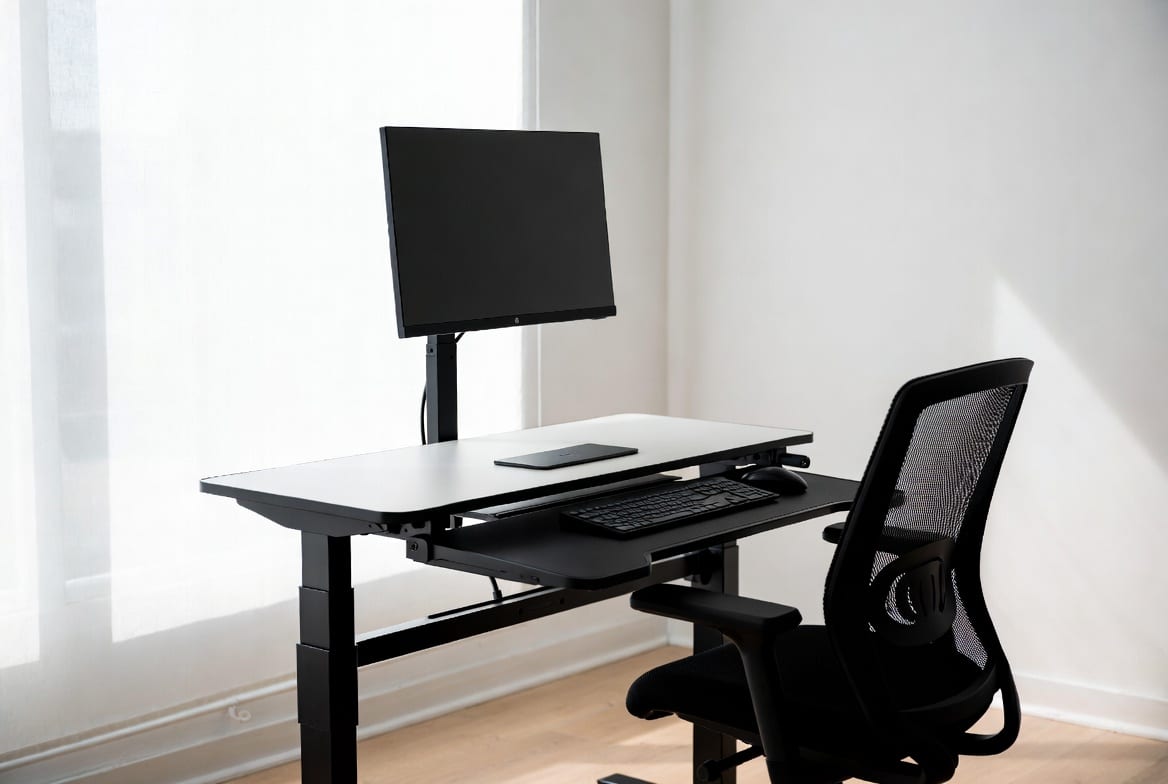
In today’s mix of office and home-based work, many New Zealanders are asking why standing desks are good for health and productivity. Whether you’re setting up a home office or upgrading a commercial workspace, sit-stand desks have become a practical ergonomic option.
Here are five key ways standing desks can improve your workday — plus a realistic look at potential drawbacks.
1. Boosts Energy and Reduces Fatigue
One of the biggest advantages of standing desks is the energy boost many users report. Sitting for long periods can lead to sluggishness and reduced circulation. Alternating between sitting and standing helps keep the body more active, which can improve alertness and reduce that mid-afternoon drop in energy.
For people working long hours, this can mean sharper focus and better stamina throughout the day.
2. Supports Better Posture and Reduces Back Pain
Poor posture is a common cause of workplace discomfort. Sitting too long, especially without good support, can put pressure on the spine and tighten the hips. Standing desks encourage a more upright posture when set up correctly.
When the screen is at eye level and the arms sit at a comfortable angle, strain on the neck, shoulders and lower back can be reduced. Electric standing desks make it easier to find and maintain the right height for both sitting and standing positions.
3. May Help Burn More Calories
A standing desk won’t replace exercise, but it can slightly increase daily calorie burn compared with sitting. Over a full workday, that small difference can add up, especially when combined with regular movement breaks.
For workplaces focused on wellbeing, or individuals trying to stay more active during the day, this is a simple way to reduce long periods of sitting.
4. Can Improve Mood and Productivity
The benefits aren’t only physical. Many people who use standing desks report feeling more engaged and focused at work. Reducing long stretches of sitting has also been linked with lower feelings of fatigue and better concentration, particularly during the post-lunch period.
Standing can create a sense of readiness that helps during meetings, focused work or creative tasks.
5. Promotes Flexible, Adaptive Workspaces
Modern offices and home setups benefit from furniture that can adapt. Standing desks offer useful flexibility for shared workstations, hot-desking environments and collaborative spaces.
With electric or gas-lift height adjustment, it’s easy to switch between users or tasks. For remote workers, a sit-stand desk also helps create a clearer boundary between work and rest areas at home. Compact home setups are on home office desks.
Are There Downsides to Standing Too Long?
Yes. Just as sitting too long can be harmful, standing for extended periods also has drawbacks. Prolonged standing can lead to:
- Leg and foot discomfort
- Swelling
- Lower back strain
The key is balance. Most experts recommend alternating between sitting and standing every 30–60 minutes, using supportive footwear or an anti-fatigue mat, and choosing a desk that makes height changes easy.
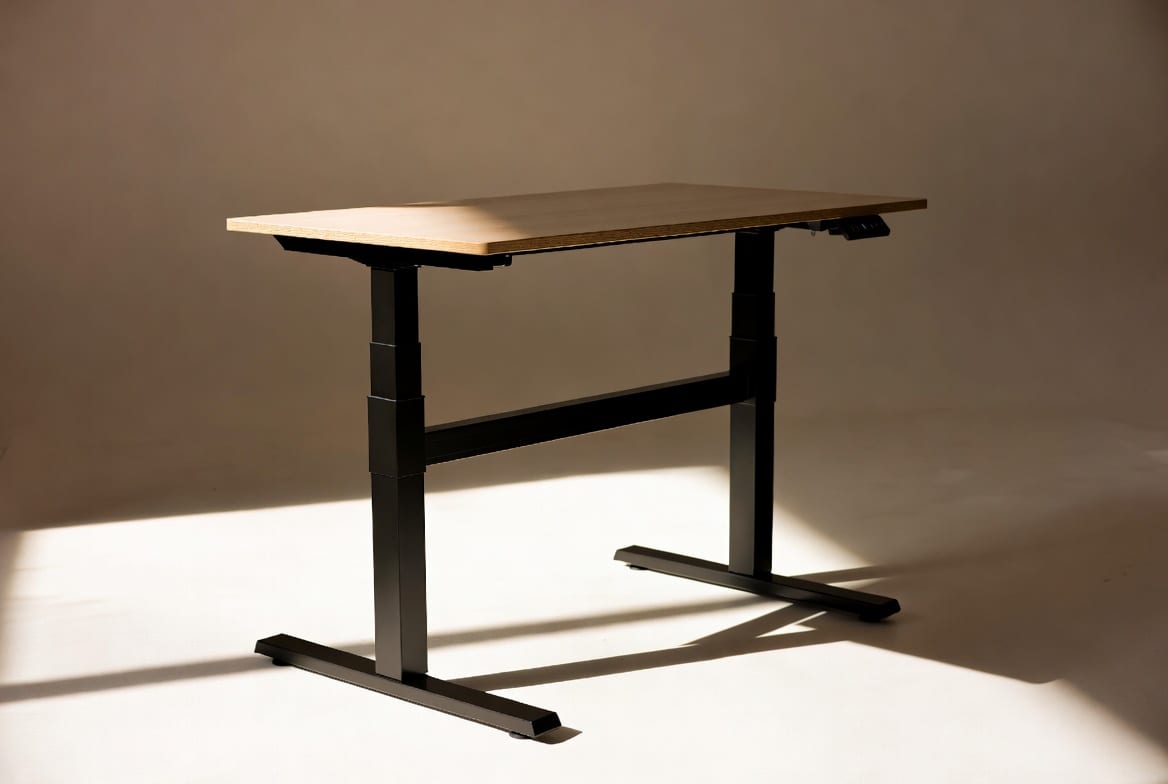
Final Thoughts: Why Are Standing Desks Good?
Standing desks are not a complete solution on their own, but when used correctly they can improve energy, posture, focus and workspace flexibility. The best approach is a sit-stand balance, combined with regular movement and proper ergonomic setup.
Whether you’re outfitting a corporate office or a home study in New Zealand, a quality height-adjustable desk can help you work more comfortably and productively.
Ready to upgrade? Browse our range of electric standing desks designed for performance, durability and everyday use across New Zealand.



 Follow us on: facebook
 Follow us on: X
 Follow us on: LinkedIn
 Follow us on: Youtube
 Follow us on: Instagram