
Wooden vs Plastic Chairs for Early Childhood Centres: Which is Best?
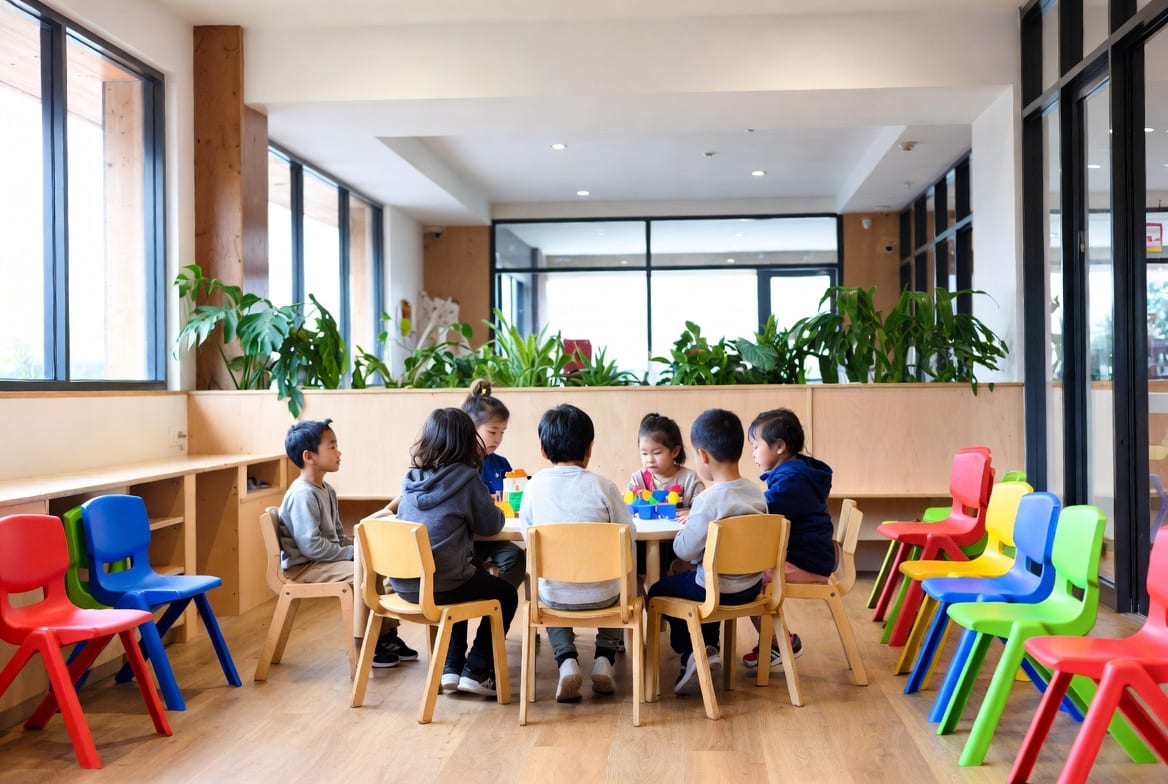
Choosing the right chairs for an early childhood centre is about more than looks. Safety, durability, ease of cleaning, and whether children can move the chairs themselves all matter. One of the most common questions we hear from centre managers and educators across New Zealand is: should we choose wooden or plastic chairs?
Here’s a practical comparison to help you decide what works best for your centre.
Why Seating Matters in Early Childhood Education
In early learning environments, children sit, move, eat, and play throughout the day. Good chairs support proper posture, encourage independence, and keep children comfortable and safe. The wrong size or unstable seating can quickly become a frustration for both children and staff.
Whether the chairs are used for mat time, meal times, art activities or outdoor play, they need to be child-friendly, stable, and built for daily use.
Wooden Chairs: Sturdy and Natural
Wooden chairs remain a popular choice in many New Zealand early childhood centres, especially those with a Montessori or Reggio-inspired approach.
Pros of wooden chairs
- Solid and stable – less likely to tip
- Natural, warm appearance
- Long lifespan when used indoors
- Feels sturdy and high-quality
Cons of wooden chairs
- Heavier – harder for young children to move independently
- Not ideal for outdoor use unless specifically designed for it
- Can show wear if exposed to moisture or heavy cleaning
Wooden chairs work best in indoor learning spaces, quiet corners, and classrooms where stability and a calm aesthetic are priorities.
Plastic Chairs: Lightweight and Practical

Plastic chairs have become the go-to option for many early childhood centres because of their practicality.
Pros of plastic chairs
- Lightweight – children can move them themselves
- Easy to clean and sanitise (important for meal times and messy play)
- Weather-resistant – suitable for outdoor areas
- Available in different colours and sizes
- Generally more affordable for bulk orders
Cons of plastic chairs
- Can feel less “warm” or natural than wood
- Lower-quality models may not last as long under heavy use
Plastic chairs are especially useful in dining areas, art rooms, multi-purpose spaces, and outdoor play areas. Many centres choose plastic chairs for exactly these reasons.
Chair Size Matters More Than Material
Getting the size right is often more important than choosing wood or plastic. Chairs should allow children’s feet to rest flat on the floor with knees at a comfortable angle.
Quick sizing guide
- Toddlers: lower seat height for safety and stability
- Preschoolers: slightly higher seats to support table activities
- Mixed-age centres: use a range of sizes or stackable options
Avoid one-size-fits-all seating. Correct sizing supports better posture, confidence, and independence.
Indoor vs Outdoor Use
Indoor
- Wooden chairs suit quiet learning areas and classrooms
- Plastic chairs work well in high-use zones such as eating and creative spaces
Outdoor
- Plastic chairs are the clear winner
- They handle New Zealand weather, are easy to hose down, and are safer for active play
- Wooden chairs should only be used outdoors if they are specifically designed for exterior use
Many centres get the best results by using both materials — wooden chairs indoors and plastic chairs for outdoor and high-traffic areas.
What Makes Good Early Childhood Furniture?
Regardless of material, quality education furniture should offer:
- Child-safe design (rounded edges, stable base)
- Strong durability for daily use
- Easy cleaning and maintenance
- Correct sizing for the age group
- Compliance with New Zealand safety expectations
You can explore suitable options in our student chairs and plastic chairs ranges.
So, Which Should You Choose?
There is no single best answer — it depends on how and where the chairs will be used.
- Choose wooden chairs for indoor learning spaces where stability and a natural look matter
- Choose plastic chairs for outdoor areas, dining spaces, and high-use zones
- Many centres use a mix of both for maximum flexibility
Find the Right Chairs for Your Centre
If you’re fitting out or upgrading an early childhood centre, Capital Commercial Furniture supplies durable education furniture designed for New Zealand conditions. We offer practical seating options with nationwide delivery and competitive pricing on bulk orders.
Browse our full range of education furniture or get in touch if you’d like help choosing the right chairs for your age groups and spaces.



 Follow us on: facebook
 Follow us on: X
 Follow us on: LinkedIn
 Follow us on: Youtube
 Follow us on: Instagram