
The Real ROI of Ergonomic Office Furniture for NZ Businesses
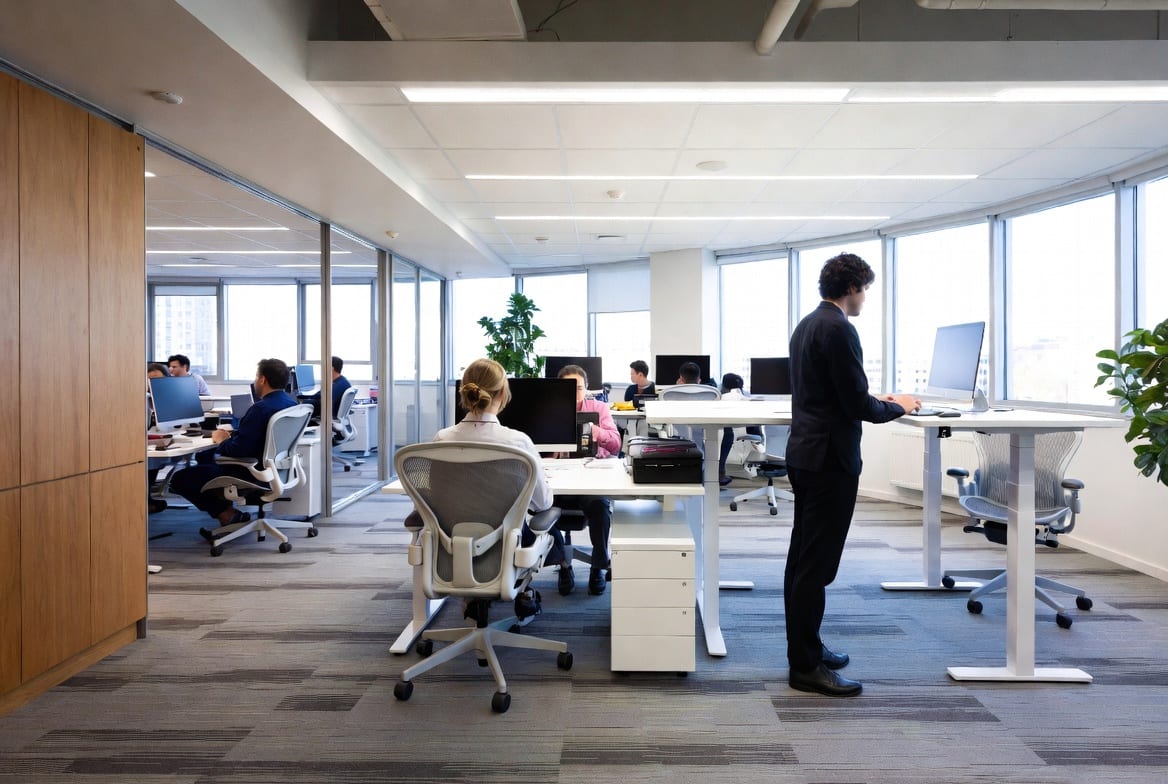
Most New Zealand business owners look at ergonomic office furniture as a cost. The better question is what it actually returns. When staff sit on poor chairs or work at fixed desks for years, the true expense shows up in higher absenteeism, lower output, more complaints, and faster staff turnover. Good ergonomic furniture is one of the few workplace investments that can pay for itself relatively quickly if you choose durable commercial-grade pieces.
Here’s a clear look at where the real return comes from for Kiwi offices, home-based teams, and growing businesses.
1. Lower Absenteeism and Fewer Health-Related Costs
Back pain, neck strain, and fatigue are still among the most common reasons people take time off work. When desks and chairs force people into awkward postures for long periods, those issues build up.
A properly set up ergonomic office chair with lumbar support and an adjustable desk (especially a sit-stand model) reduce the daily strain. Over a year this often means fewer sick days and less money spent on temporary cover or lost productivity. For smaller NZ businesses where every person matters, even a modest drop in absence can cover a large part of the furniture investment.
2. Measurable Gains in Daily Productivity
Comfortable staff simply get more done. When people aren’t constantly shifting position because their back hurts or their shoulders are tight, they stay focused longer.
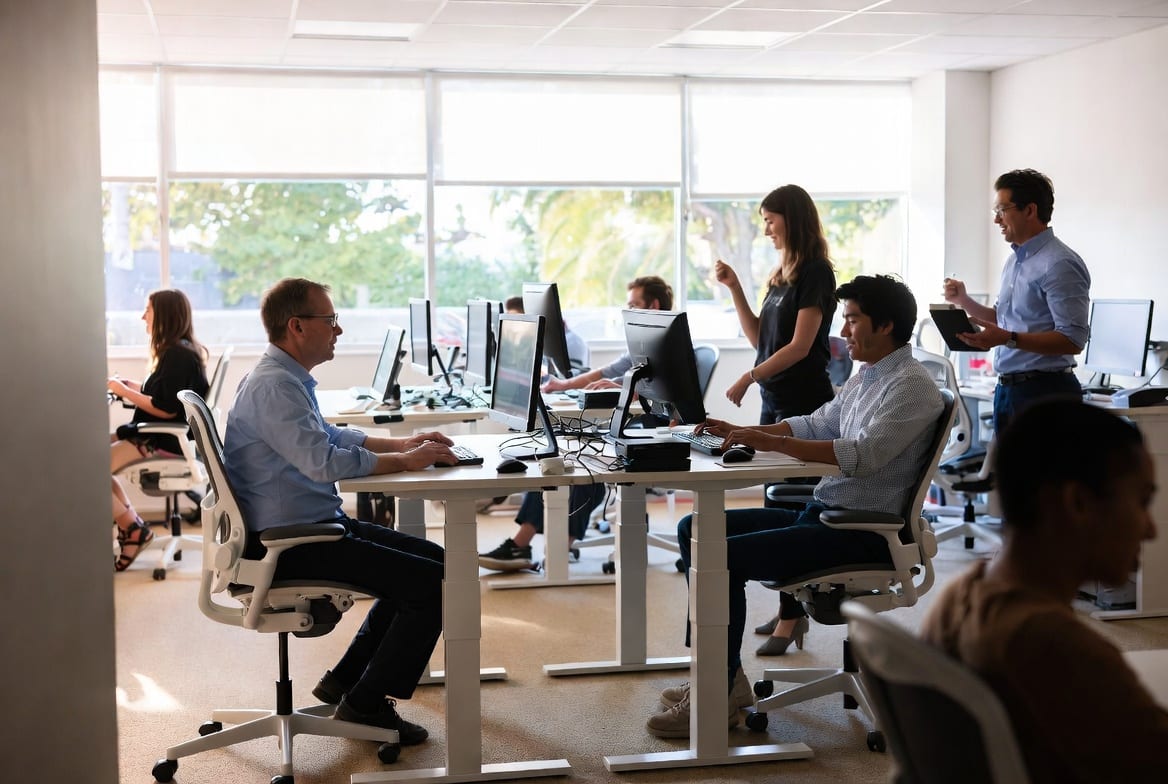
Electric standing desks make it easy to change posture throughout the day. Many users report better energy in the afternoon and fewer “I need a break” moments. The gain doesn’t have to be dramatic to matter. A 5–8% improvement in focused work time across a team of 10–15 people quickly adds up over a year.
3. Better Staff Retention and Engagement
Replacing staff is expensive. Recruitment, training, and the time it takes for a new person to get up to speed all cost money. Uncomfortable workspaces contribute to people looking elsewhere, especially in competitive markets like Auckland, Wellington, and Christchurch.
When staff feel the company has invested in their physical comfort, it sends a clear signal that they are valued. This is particularly true for hybrid teams and smaller offices where people notice the quality of their immediate environment every day.
4. Longer Furniture Life and Lower Replacement Costs
Cheap office chairs and desks often need replacing every few years. Commercial ergonomic furniture from Capital Commercial Furniture is built for daily use and usually carries longer warranties.
A heavy-duty task chair or a quality electric standing desk that lasts 8–12 years instead of 3–4 years changes the cost-per-year calculation significantly. Buying once and buying properly is almost always cheaper over the medium term.
5. How to Think About the Numbers in Your Own Business
You don’t need complicated spreadsheets. A simple way to estimate ROI is:
- Work out the total cost of new chairs and desks for the team.
- Estimate how many fewer sick days or how much extra productive time you might realistically gain each year.
- Factor in any reduction in turnover costs.
- Divide the annual benefit by the upfront cost.
Even conservative numbers often show a payback period of 12–24 months for a well-chosen ergonomic upgrade, after which the benefits
continue.
Practical Starting Points for NZ Workplaces
You don’t have to replace everything at once. Many businesses start with the highest-use positions first:
- Replace the worst chairs with properly adjustable ergonomic models (look for good lumbar support, seat depth adjustment, and solid bases).
- Add a few electric standing desks for staff who spend long hours at a computer.
- Make sure monitor arms and keyboard positions support a neutral posture.
Popular durable options that work well in New Zealand offices include the Zeus Highback Ergonomic Chair, Memo Mesh Task Chair, and the range of Haven and Cubit electric standing desks. All are designed for commercial use and ship nationwide.
Final Thoughts: Furniture as a Business Investment
Ergonomic office furniture is not a nice-to-have extra. When chosen carefully, it reduces ongoing costs, supports better daily output, and helps keep good people longer. For most NZ businesses the return is real and measurable once you look past the initial invoice.
If you’re reviewing your current setup, start with the chairs and desks that get the heaviest daily use. Small, targeted upgrades often deliver the strongest early returns.
Ready to calculate what better furniture could return for your team? Explore our full range of ergonomic office chairs and electric standing desks built for New Zealand workplaces.



 Follow us on: facebook
 Follow us on: X
 Follow us on: LinkedIn
 Follow us on: Youtube
 Follow us on: Instagram