
Wooden vs Plastic Chairs: What's the Best Education Furniture for Early Childhood Centres?
Choosing the right furniture for an early childhood centre is about much more than appearance. Safety, durability, ease of cleaning, and suitability for young learners all matter. When it comes to seating, one of the most common questions educators and centre managers ask is: should we choose wooden or plastic chairs?
As a core part of education furniture, chairs play a vital role in supporting learning, play, and everyday routines in early childhood environments. In this guide, we compare wooden and plastic chairs to help you decide what works best for your centre, while also touching on related considerations like sizing, indoor vs outdoor use, and what makes quality furniture in educational settings.
Why Seating Matters in Early Childhood Education
In early learning environments, children sit, stand, move, and play throughout the day. The right early childhood education furniture supports proper posture, encourages independence, and ensures children feel comfortable and safe.
Whether it’s for group learning, meal times, creative activities, or quiet reading corners, chairs need to be child-friendly, stable, and fit for purpose.
Wooden Chairs: Classic, Sturdy, and Natural
Wooden chairs have long been a popular choice in early childhood centres across New Zealand.
Pros of Wooden Chairs
- Durable and sturdy – ideal for daily indoor use
- Natural aesthetic – fits well with Montessori and Reggio-inspired environments
- Stable and solid – less likely to tip or slide
- Long lifespan when well maintained
Cons of Wooden Chairs
- Heavier than plastic, making them harder for children to move independently
- Not ideal for outdoor use unless specifically treated
- Can show wear over time if exposed to moisture
Wooden chairs are best suited for indoor learning spaces, classrooms, and quiet activity areas where stability and a calm, natural look are priorities.
Plastic Chairs: Lightweight, Practical, and Versatile
Plastic chairs in NZ have become increasingly popular in early learning settings, especially where flexibility and easy maintenance are key.
Pros of Plastic Chairs
- Lightweight – easy for children to move themselves
- Easy to clean – perfect for messy activities and meal times
- Weather-resistant – ideal for outdoor areas
- Available in a variety of colours and sizes
In New Zealand, many centres choose plastic chairs that NZ educators trust because they’re practical and cost-effective.
Cons of Plastic Chairs
- May feel less “warm” or natural than wooden furniture
- Lower-quality models may wear faster under heavy use
Plastic chairs are especially useful for multi-purpose rooms, outdoor play areas, and dining spaces, where durability and easy cleaning are essential.
What Size Should I Choose?
Chair size is critical in early childhood settings. Chairs should allow children’s feet to rest flat on the floor, with knees at a comfortable angle.
General sizing tips
- Toddlers: lower seat height for stability and safety
- Preschoolers: slightly higher seats to support table activities
- Mixed-age centres: consider multiple sizes or stackable options
Avoid “one-size-fits-all” seating — using the right size supports posture, confidence, and independence.
What’s Best for Indoor vs Outdoor Use?
Indoor Use
- Wooden chairs work beautifully in classrooms and quiet zones
- Plastic chairs suit art rooms, eating areas, and high-use spaces
Outdoor Use
- Plastic chairs are the clear winner outdoors
- Weather-resistant, easy to hose down, and safe for active play
- Wooden chairs should only be used outdoors if specifically designed for it
Many centres choose a combination of wooden and plastic chairs to suit different environments and activities.
What Makes Good Education Furniture?
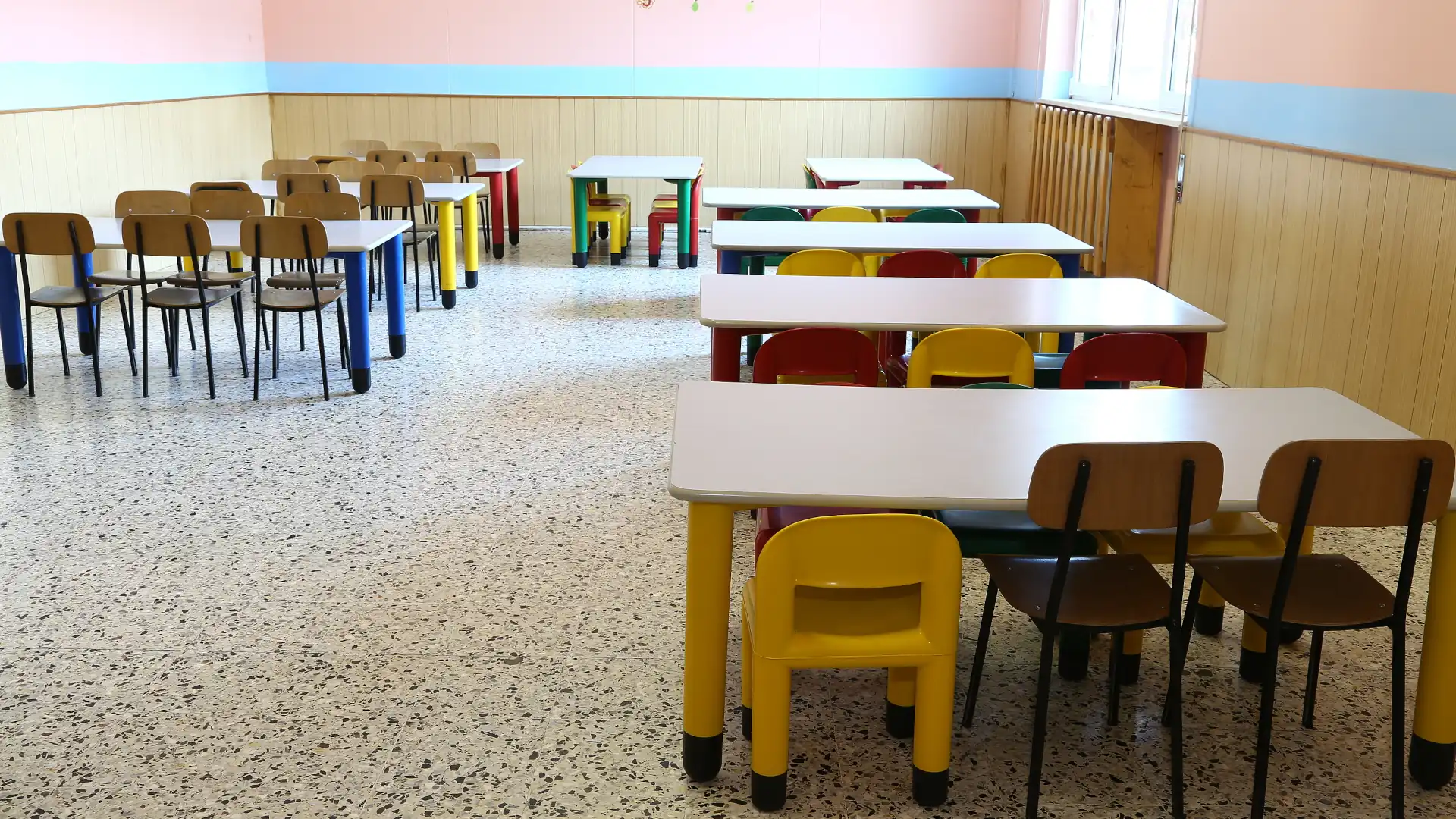
Regardless of whether you choose wooden or plastic chairs, quality education furniture, such as student
chairs
found in early childhood centres, should always meet these criteria:
- Child-safe design (rounded edges, stable base)
- Durability for daily use
- Easy maintenance and cleaning
- Appropriate sizing for age groups
- Compliance with NZ safety standards
So, Which Is Better: Wooden or Plastic Chairs?
There’s no single “best” option. It depends on how and where the chairs will be used.
- Choose wooden chairs for indoor learning areas where stability and aesthetics matter
- Choose plastic chairs for outdoor spaces, dining areas, and high-use zones
- Consider mixing both for maximum flexibility
Find Quality Education Furniture in NZ
If you’re fitting out or upgrading an early childhood centre, sourcing reliable furniture from a trusted supplier is key. Capital Commercial Furniture offers a wide range of education furniture, including seating and tables designed for learning environments across New Zealand.




 Follow us on: facebook
 Follow us on: X
 Follow us on: LinkedIn
 Follow us on: Youtube
 Follow us on: Instagram